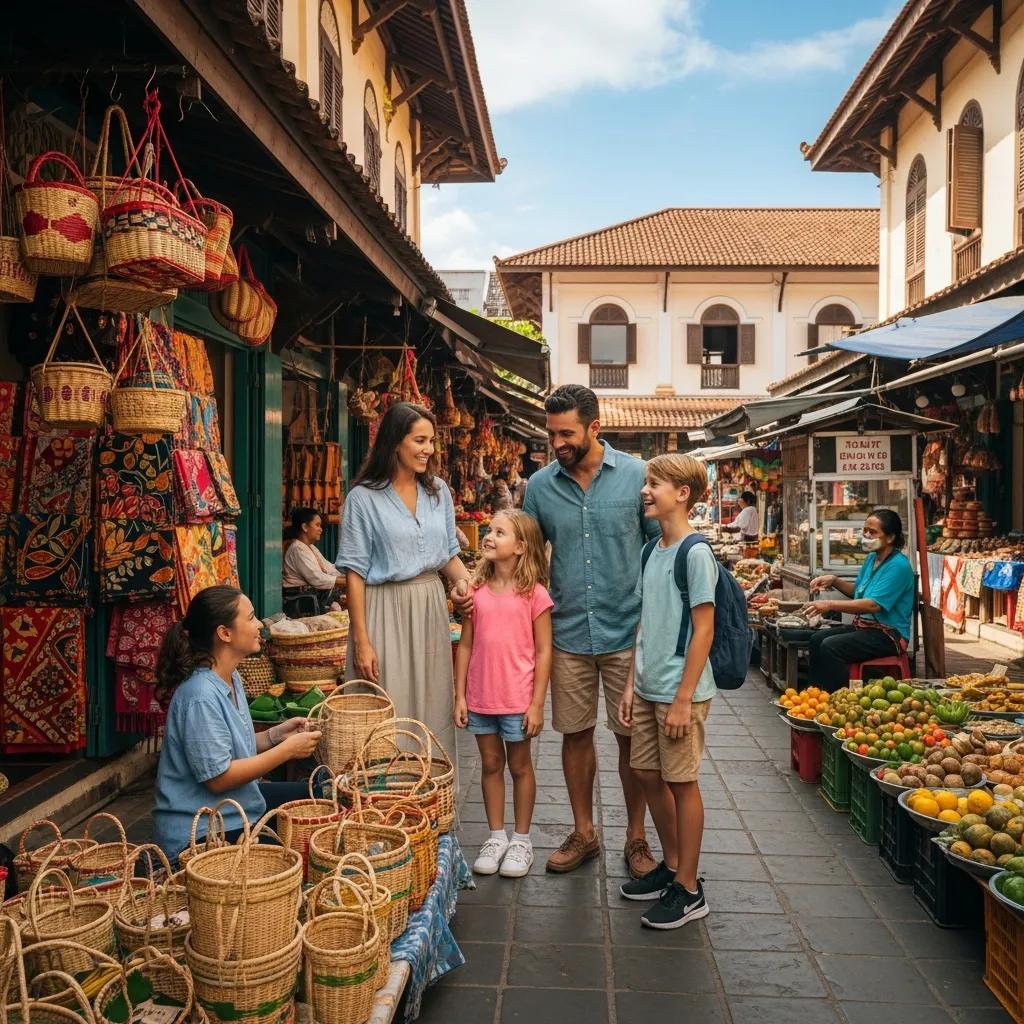
Cultural Travel with Kids: Personalized Family Itineraries and Educational Experiences
Cultural travel with kids offers a unique opportunity to blend education and adventure, creating lasting memories for families. This article explores how to plan personalized family travel itineraries that focus on cultural experiences, ensuring that children not only enjoy their trips but also learn about diverse cultures. Families often face challenges in balancing fun and educational activities, but with the right approach, they can create enriching travel experiences. We will delve into the benefits of customized travel planning, highlight the best educational cultural experiences for children, and provide insights on how families can teach kids about culture through travel. Additionally, we will discuss opportunities for independent travel agents in this niche market and recommend top cultural destinations for family trips.
How to Plan Personalized Family Travel Itineraries for Cultural Trips?
Creating personalized family travel itineraries for cultural trips involves several key steps that ensure a balance between education and enjoyment. Engaging the family in the planning process is crucial, as it allows everyone to express their interests and preferences. Additionally, it is important to balance structured activities with free time, allowing children to explore and discover at their own pace. Considering family-friendly accommodations that cater to the needs of children can also enhance the overall experience.
The development of intelligent systems further supports the idea of personalized itinerary planning, offering recommendations tailored to specific user profiles and interests.
Personalized Cultural Itinerary Planning for Families
This application paper presentsmyVisitPlannerGR, an intelligent web-based system aiming at making recommendations that help visitors and residents of the region of Northern Greece to plan their leisure, cultural and other activities during their stay in this area. The system encompasses a rich ontology of activities, categorized across dimensions such as activity type, historical era, user profile and age group. Each activity is characterized by attributes describing its location, cost, availability and duration range. The system makes activity recommendations based on user-selected criteria, such as visit duration and timing, geographical areas of interest and visit profiling.
my
VisitPlannerGR: Personalized Itinerary Planning System for Tourism, I Refanidis, 2014
- Engage the Family in Planning: Involve all family members in the itinerary creation to ensure everyone’s interests are considered.
- Balance Structured Activities and Free Time: Plan a mix of guided tours and unstructured exploration to keep the experience enjoyable.
- Consider Family-Friendly Accommodations: Choose places that offer amenities for children, such as pools, play areas, and family suites.
What Are the Benefits of Customized Family Travel Planning?
Customized family travel planning offers numerous advantages that enhance the overall travel experience. Personalization allows families to tailor their itineraries to meet specific needs and interests, ensuring that each member has a fulfilling experience. This approach can also be cost-effective, as families can prioritize activities that provide the most value. Moreover, personalized planning saves time by streamlining the decision-making process and reducing the stress of last-minute arrangements.
- Personalization for Family Needs: Tailored itineraries ensure that activities align with each family member’s interests.
- Cost-Effectiveness: Custom planning can help families avoid unnecessary expenses by focusing on preferred activities.
- Time Savings: A well-structured itinerary minimizes the time spent on planning and decision-making during the trip.
How to Include Educational Activities in Your Family Itinerary?
Incorporating educational activities into family itineraries can significantly enhance the travel experience. Families can visit interactive museums that engage children through hands-on exhibits, participate in local cultural experiences, and plan educational excursions that provide deeper insights into the destination’s history and culture. These activities not only entertain but also foster a love for learning in children.
- Visit Interactive Museums: Choose museums that offer engaging exhibits designed for children.
- Participate in Local Cultural Experiences: Engage in activities such as cooking classes or traditional crafts to immerse in the local culture.
- Plan Educational Excursions: Include trips to historical sites or nature reserves that provide educational value.
What Are the Best Educational Cultural Experiences for Children?
When traveling with children, selecting the right educational cultural experiences can make a significant difference in their understanding and appreciation of different cultures. Families should consider activities that are both fun and informative, such as food tours, artisan workshops, and visits to historical sites. These experiences can create lasting memories while enriching children’s knowledge.
- Food Tours: Explore local cuisine through guided food tours that introduce children to new flavors and cooking techniques.
- Artisan Workshops: Participate in workshops where children can learn traditional crafts from local artisans.
- Historical Site Visits: Visit significant historical sites that offer educational programs tailored for children.
Which Kid Friendly Museums and Heritage Sites Should Families Visit?
Families looking for kid-friendly museums and heritage sites should prioritize locations that offer interactive and engaging exhibits. Museums that focus on science, history, and art often have dedicated children’s sections that make learning enjoyable. Additionally, heritage sites that provide guided tours with storytelling elements can captivate children’s imaginations.
- Interactive Exhibits: Look for museums with hands-on activities that encourage exploration and learning.
- Family-Friendly Activities: Choose sites that offer programs specifically designed for children, such as scavenger hunts or workshops.
- Cultural Significance: Select locations that highlight the importance of local history and culture, providing context for the visit.
How Do Cultural Festivals Enhance Learning for Kids?
Cultural festivals present unique opportunities for children to immerse themselves in local traditions and customs. These events often feature interactive activities, performances, and workshops that engage children and foster a deeper understanding of the culture. By participating in cultural festivals, families can create lasting memories while enhancing their children’s learning experiences.
- Immersion in Local Traditions: Festivals allow children to experience cultural practices firsthand, deepening their understanding.
- Engagement with Local Communities: Interacting with locals during festivals can provide insights into daily life and cultural values.
- Creating Lasting Memories: The vibrant atmosphere of festivals can leave a lasting impression on children, making the experience memorable.
How Can Families Teach Kids About Culture Through Travel?
Traveling provides an excellent platform for families to teach children about different cultures. By visiting museums with interesting displays, trying local cuisines, and participating in cultural experiences, families can foster a sense of curiosity and appreciation for diversity. Engaging children in discussions about their experiences can further enhance their understanding of cultural differences.
- Visit Museums with Interesting Displays: Choose museums that present culture in an engaging and accessible manner for children.
- Try Local Cuisines: Encourage children to taste and learn about local dishes, discussing their ingredients and cultural significance.
- Participate in Cultural Experiences: Engage in activities that allow children to experience the culture firsthand, such as traditional dances or festivals.
What Interactive Cultural Activities Engage Children Effectively?
Interactive cultural activities are essential for keeping children engaged and interested in learning about different cultures. Activities such as cooking classes, art workshops, and local performances can provide hands-on experiences that resonate with children. These activities not only entertain but also educate, making them valuable additions to any family itinerary.
- Food Tours: Involve children in cooking classes that teach them about local ingredients and culinary traditions.
- Artisan Workshops: Allow children to create their own crafts under the guidance of local artisans, fostering creativity and cultural appreciation.
- Cultural Excursions: Plan visits to local performances or festivals that showcase traditional music and dance.
How to Foster Multicultural Awareness During Family Trips?
Fostering multicultural awareness in children during family trips involves intentional engagement with diverse cultures. Families can explore diverse neighborhoods, participate in community events, and engage with locals to gain insights into different ways of life. These experiences can help children develop empathy and understanding towards others.
- Engage with Locals: Encourage children to interact with local residents to learn about their customs and daily lives.
- Explore Diverse Neighborhoods: Visit areas that reflect a variety of cultures, allowing children to experience different lifestyles.
- Participate in Community Events: Attend local events that celebrate cultural diversity, providing children with a broader perspective.
What Opportunities Exist for Independent Travel Agents in Family Cultural Travel?
Independent travel agents specializing in family cultural travel can tap into a growing market that values personalized experiences. By offering tailored itineraries that focus on cultural education, these agents can differentiate themselves from traditional travel services. The demand for unique family experiences presents a significant opportunity for agents to thrive in this niche.
- Personalized Itinerary Design: Agents can create customized travel plans that cater to the specific interests of families.
- Advocacy and Support: Providing families with expert advice and support can enhance their travel experience and build trust.
- Access to Exclusive Perks: Independent agents can offer families unique opportunities, such as private tours or special access to events.
How to Become an Independent Travel Agent Specializing in Family Trips?
Becoming an independent travel agent specializing in family trips requires a combination of knowledge, skills, and networking. Aspiring agents should gain a deep understanding of family travel needs and preferences, as well as the cultural aspects of various destinations. Joining a travel network can provide valuable resources and support.
- Gain Knowledge and Skills: Educate yourself about family travel trends and cultural destinations to better serve clients.
- Choose a Niche: Focus on family cultural travel to differentiate yourself in the market.
- Join a Travel Network: Collaborate with other agents and access resources that can enhance your offerings.
What Are the Benefits of Joining a Cultural Travel Agency Team?
Joining a cultural travel agency team can provide independent agents with numerous benefits, including access to training, resources, and a supportive network. Being part of a team can enhance an agent’s credibility and provide opportunities for collaboration on larger projects.
- Access to Training and Resources: Agencies often provide training programs that help agents stay updated on industry trends and best practices.
- Supportive Network: Collaborating with other agents can lead to shared knowledge and resources, enhancing service offerings.
- Competitive Commission Rates: Many agencies offer commission structures that can increase an agent’s earning potential.
Which Top Cultural Destinations and Multicultural Family Trips Are Recommended?
When planning cultural trips, families should consider destinations that offer rich educational experiences and diverse cultural activities. Popular family-friendly cultural destinations often include regions known for their history, art, and culinary traditions. These locations provide ample opportunities for exploration and learning.
- Caribbean: Known for its vibrant cultures and beautiful landscapes, the Caribbean offers a mix of relaxation and cultural experiences.
- Alaska: Families can explore the unique indigenous cultures and stunning natural beauty of Alaska, making it an educational adventure.
- Mediterranean: Rich in history and art, the Mediterranean region provides numerous opportunities for cultural exploration.
What Are the Most Popular Family-Friendly Cultural Destinations?
Families seeking cultural experiences should consider popular destinations that cater to children while offering educational opportunities. Locations with interactive museums, historical sites, and cultural festivals can provide enriching experiences for all ages.
- Caribbean Beaches: Families can enjoy the sun while learning about local cultures through food and music.
- Alaska Wildlife: Educational programs about wildlife and indigenous cultures make Alaska a unique destination for families.
- Mediterranean History: Explore ancient ruins and art museums that captivate children’s imaginations and foster a love for history.
How to Choose Destinations That Offer Rich Educational Vacations for Kids?
Selecting destinations that provide rich educational experiences for children involves considering various factors. Families should involve children in the planning process, choose destinations known for their educational value, and embrace outdoor activities that promote learning through exploration.
- Involve Children in Planning: Engage kids in the decision-making process to ensure their interests are represented.
- Choose Educational Destinations: Research locations that offer museums, historical sites, and cultural experiences.
- Embrace Outdoor Activities: Incorporate nature-based activities that provide hands-on learning opportunities.